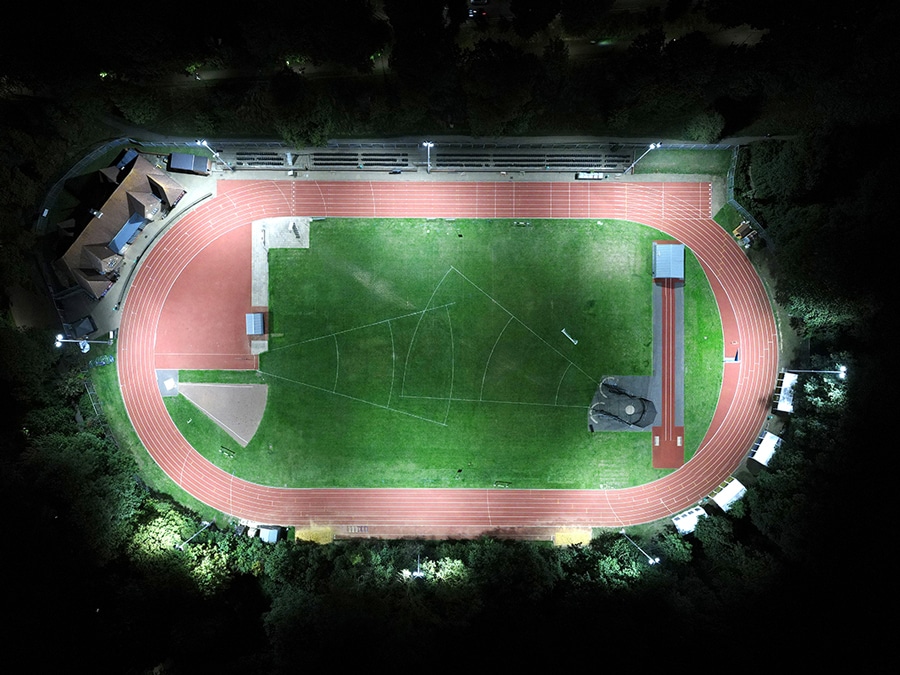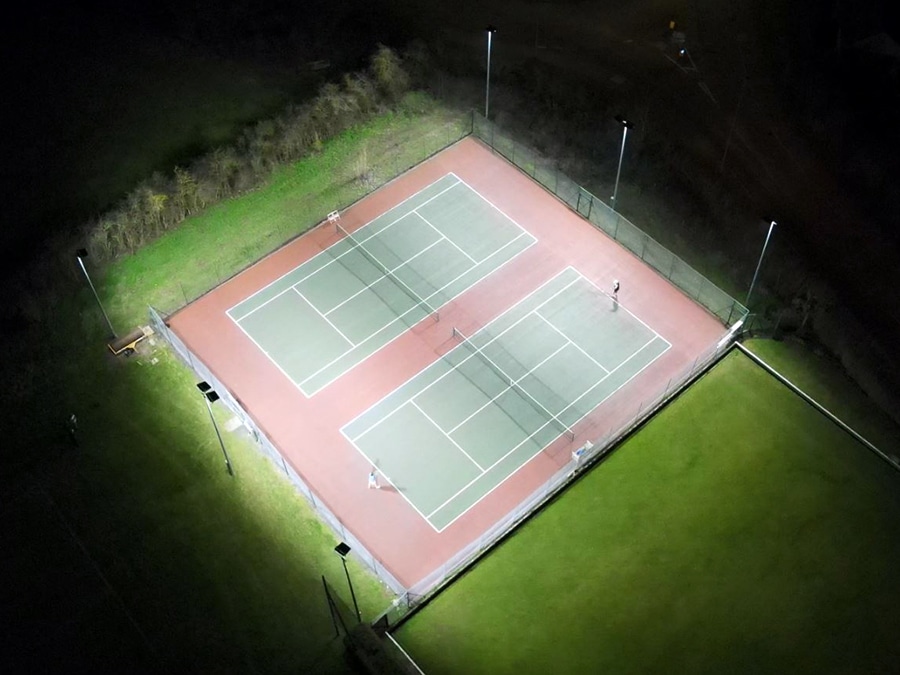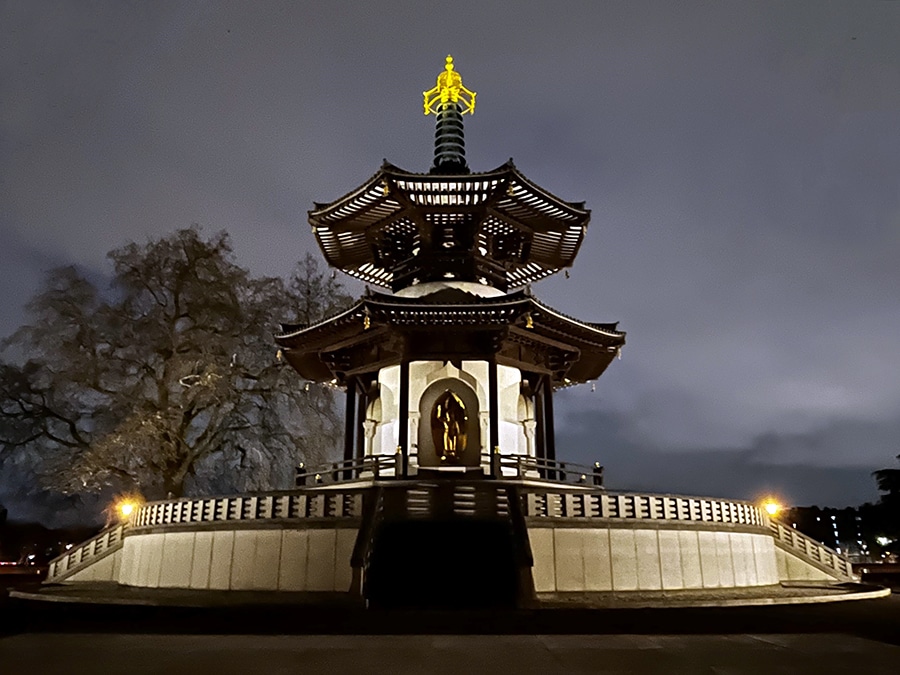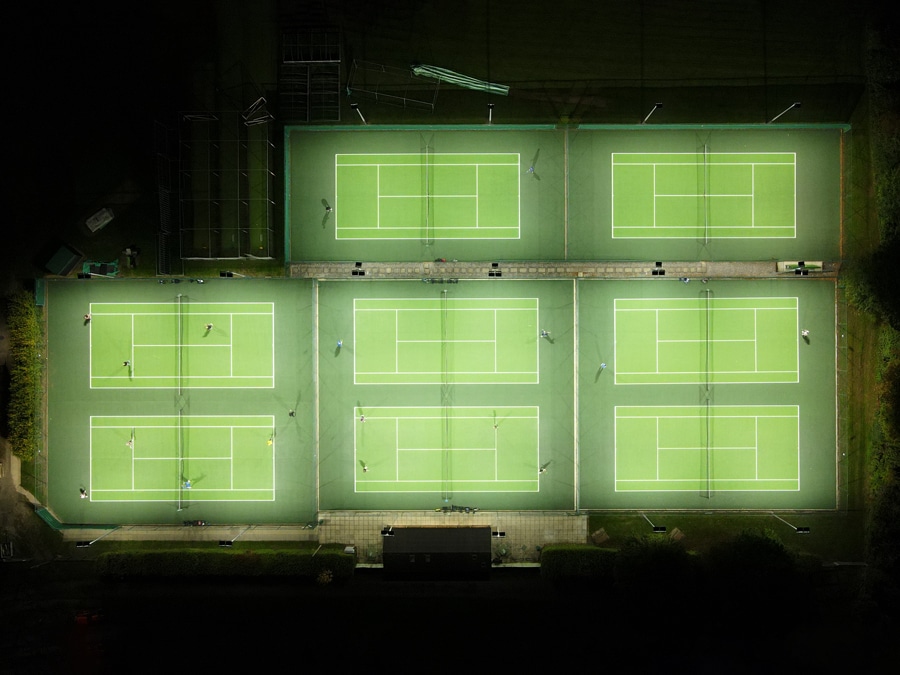



Latest News

Not all LED luminaires are created equal-SEE THE DIFFERENCE! - Helpful hints for a fair LED Comparison and Quality Assurance          ArmadilloLED are committed to provide educational information so you can cut through competitive manufacturer claims and separate fact from fiction. We want to help you find products that meet your expectations.  Use Measurable Performance Data           Do not be lead by data only .  Many claimed manufacturers supply data from other lighting components and one time lab results.  Conduct "in field" application level performance evaluations using IESNA recommended practices and standards. Utilise available design software and application engineering practices to predict application level performance. Evaluate relevant and credible case studies. Operation at Constant Current The drive current through an LED must be controlled. High current densities within the junction of the chip cause partial overheating which damages the crystalline structure of the LED die. At these areas are so called darkline defects, where light ceases to be generated. This should not be confused with the maximum junction temperature of the LED, which is related to the higher temperature at which the optical grade epoxy starts to expand rapidly and increases the risk of catastrophic failures, such as broken wires or lifted LED dies.To produce light, an LED must be operated in the forward-bias regime. The emitted light is a function of the forward voltage Vf and the forward current If. In the lab, LEDs are usually operated in a forward bias direction from a constant current DC power supply. At low currents, the slope of the radiant power (luminous flux) verses time rises faster than the slope of the electrical power (start-up range) verses time. At high currents, the slope becomes flatter (saturation area), which is mainly caused by heating of the LED chip. Under normal operating conditions (between the start-up range and saturation area), the optical radiation emitted by LEDs is strongly correlated to the electrical current, which is why constant current is recommended for measurements intended to characterize the optical properties of an LED.   read more... ...

Designed to embrace the future for lighting solutions delivered for you today by Armadillo LED. Energy efficiency as standard and huge light performance with up to 85% savings, long life and massive maintenance savings. Products already delivering >85LPW and a development road map to >138LPW, without the need to go past 350Ma to achieve these impressive light outputs.

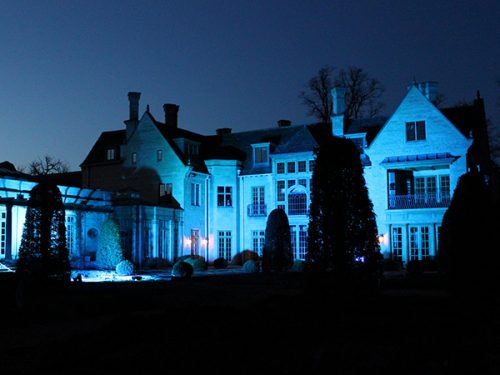
LEDs are the future lighting platform for all designers and architects. Armadillo LEDs are now used in mood lighting, accent lighting, landscape lighting, building illumination and so many other applications. Armadillo LEDs are economic, aesthetically pleasing, environmentally friendly, along with providing huge energy savings and provide flexibility for your design, but, above all our LEDs are controllable!

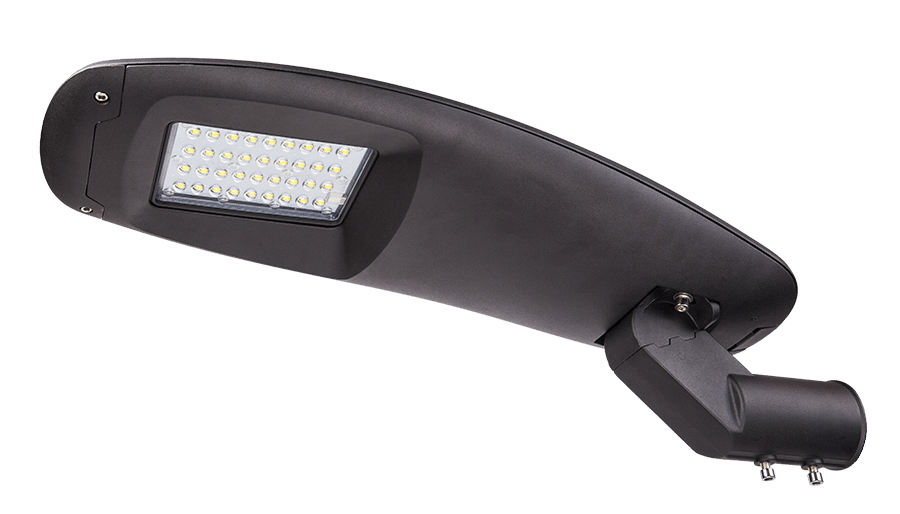
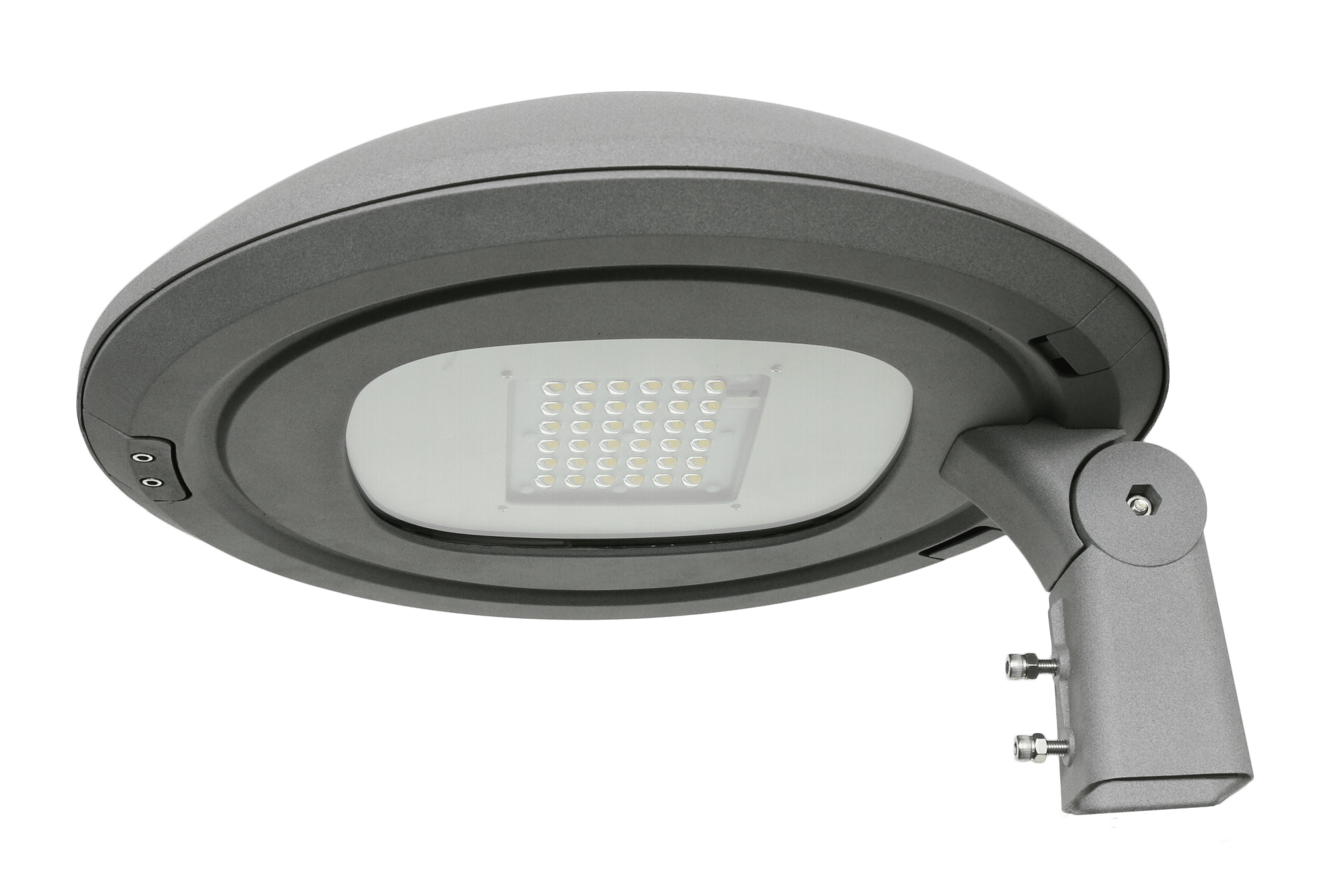
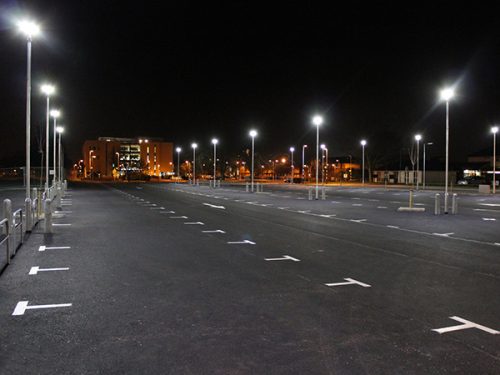
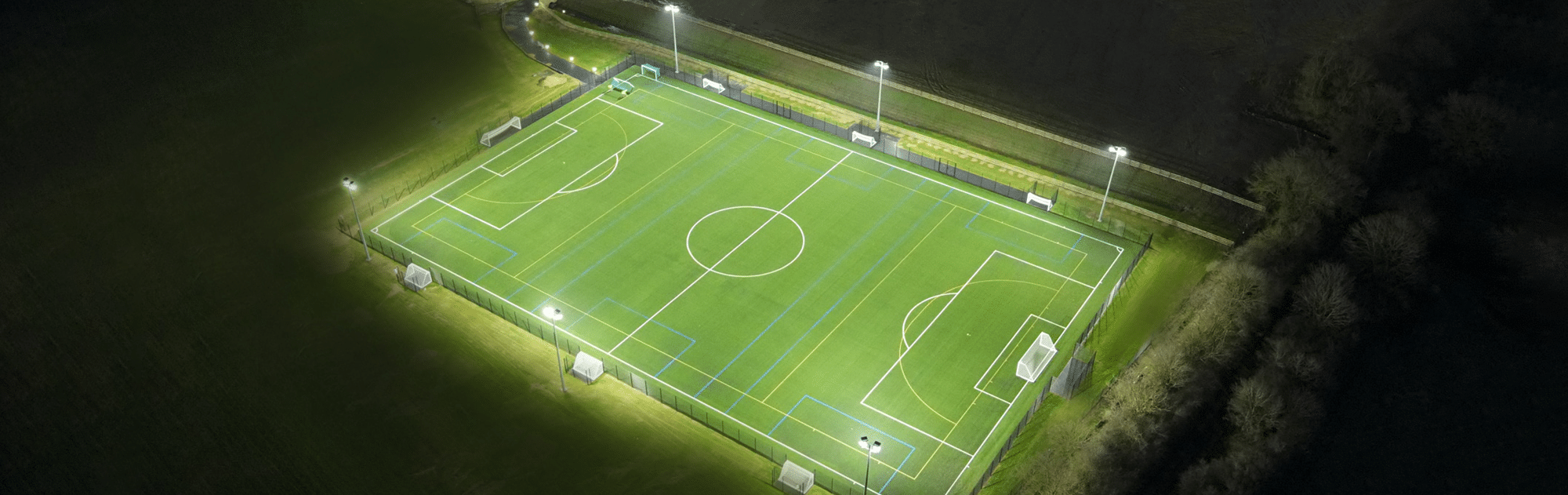
Using Armadillo's Street Lighting can save operational charges of more than 75%. Dimmable technology also adds to the savings, to enable lighting scenes to be set throughout the hours of darkness for increased savings. Four Lens types have been developed to provide focus of light for Motorways, Gantry Signs, Streets, Pathways, Tunnels, Car parks, Martialling yards, Vehicle Inspection areas and every where a high quality of external daylight is required.

Helpful hints for a fair LED Comparison and Quality Assurance

ArmadilloLED are committed to provide educational information so you can cut through competitive manufacturer claims and separate fact from fiction. We want to help you find products that meet your expectations. more details...


Use Measurable Performance Data; Spec Sheets and IES Photometric files

Case study installations; Product Data Sheets

ISO Certification; WEEE Lifetime Recycling programmes

CE Certificaiton; RoHS Compliance; BS EN Standard Compliance


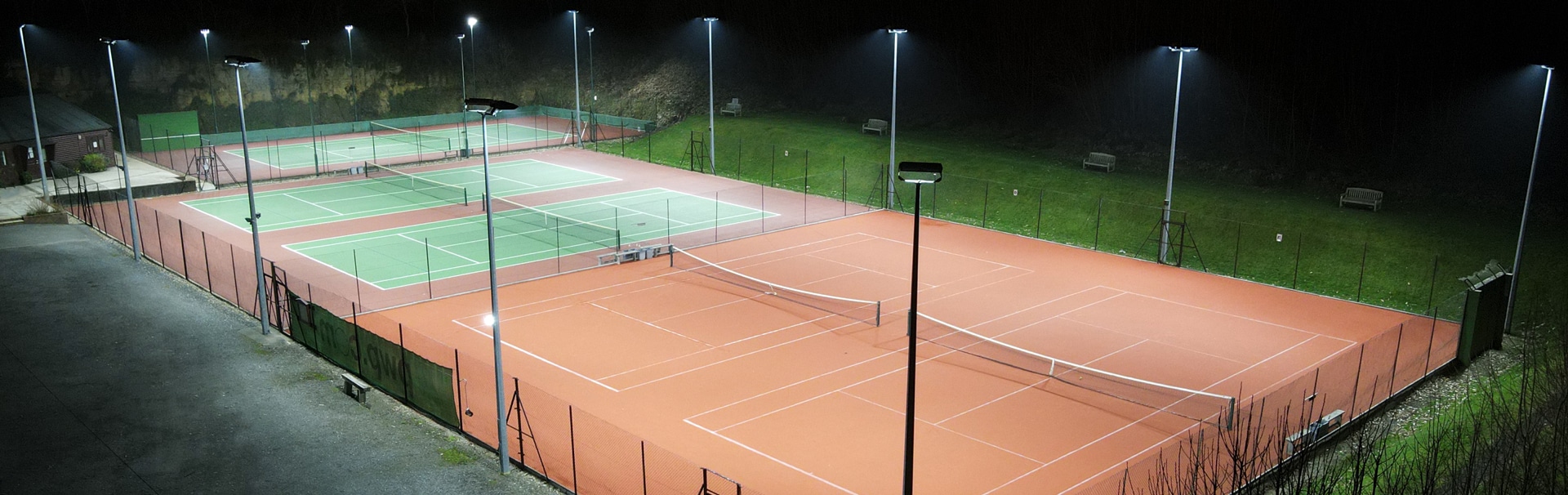
Latest LED Lighting Case Studies and LED Projects - shortcut link, click here.